


Risk of Loss of Control: Public Transportation Security Issues in Armenia
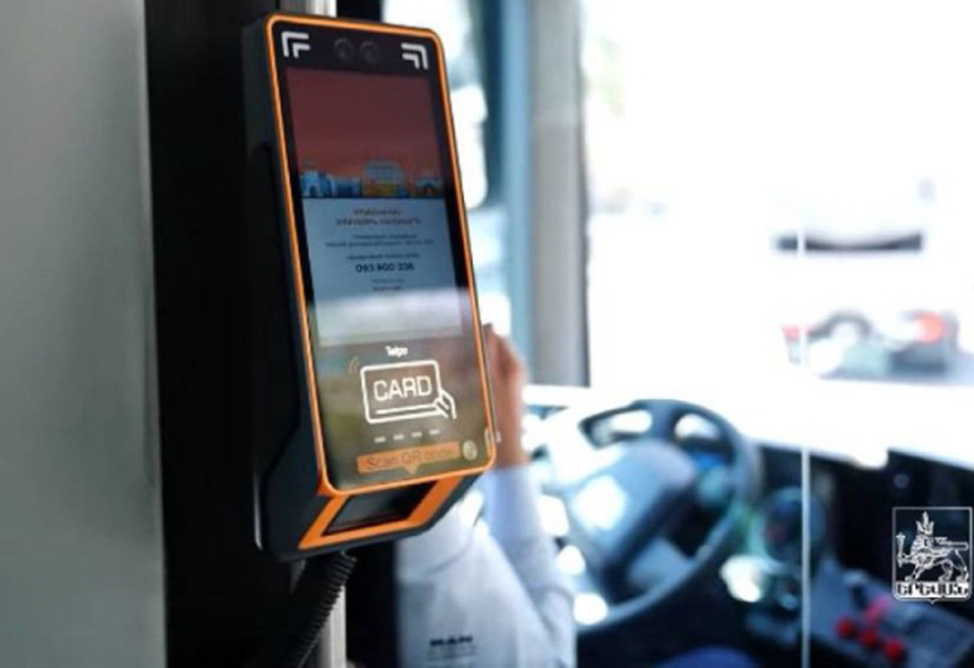
YEREVAN, November 11. /ARKA/. Artur Papyan, an Armenian expert in information security and co-founder of CyberHUB-AM, emphasized the potential risks associated with public transportation security in the nation.
He stated that recent weeks have seen international media reports indicating that certain electric buses produced by Yutong Group (China) might theoretically be subject to remote control or halting by the manufacturer.
"Tests have revealed that the systems of these buses can be accessed remotely through mobile networks, which raises significant concerns regarding cybersecurity and governmental oversight. A bus is a large and potentially hazardous vehicle, and if it can be controlled from a distance, hackers will undoubtedly find a way—such buses could be transformed into lethal weapons. In response to these revelations, authorities in Norway and Denmark have initiated investigations," Papyan says in a Facebook post.
He also reminded that Yerevan operates buses manufactured in China, particularly models from Zhongtong Bus Holding Co., Ltd., and has previously imported models from Higer Bus Company Limited.
"Some of these buses come equipped with online tracking systems that enable passengers to view routes in real time. I must emphasize that there is currently no public evidence suggesting that Yerevan buses can be halted or controlled remotely by the manufacturer," Papyan remarked.
He pointed out that several questions remain unanswered:
- Who truly governs the traffic technology in our cities?
- Are local transport authorities able to confirm the existence of remote access?
- Should Armenia, similar to European nations, perform a cybersecurity audit of imported smart vehicles?
In recent years, Armenia has significantly increased its importation of electric vehicles. For instance, several vulnerabilities have been discovered in Tesla—during the Pwn2Own 2023 hacking competition, it took merely two minutes to hack and remotely control a Tesla. This is similarly true for many prominent and lesser-known Chinese car brands. I think it is essential to pose the question: do we truly understand what lies beneath the surface of our vehicles and who has control over them and from which locations?" the expert concluded.-0-